VISION OF ART
THE BOOK
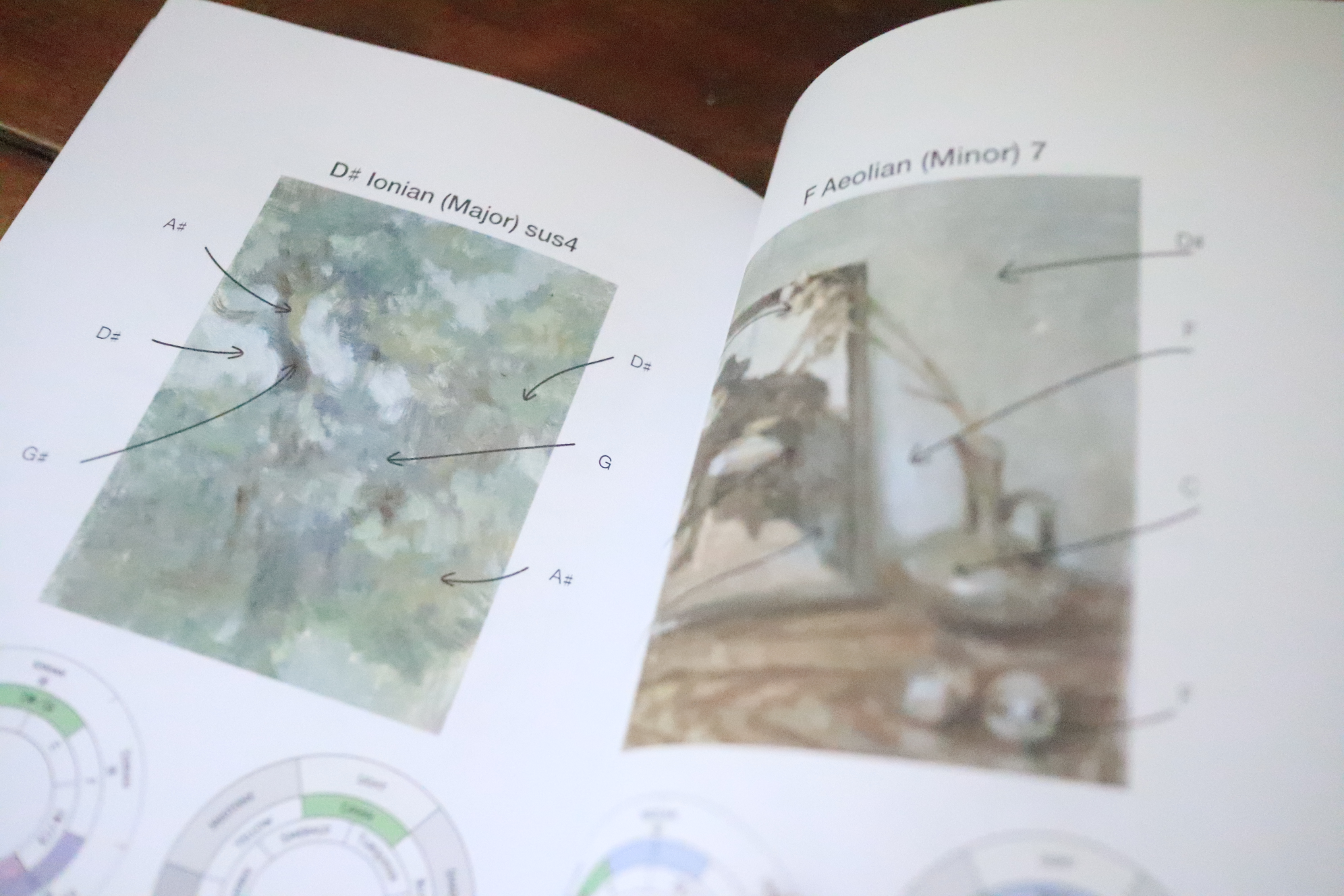
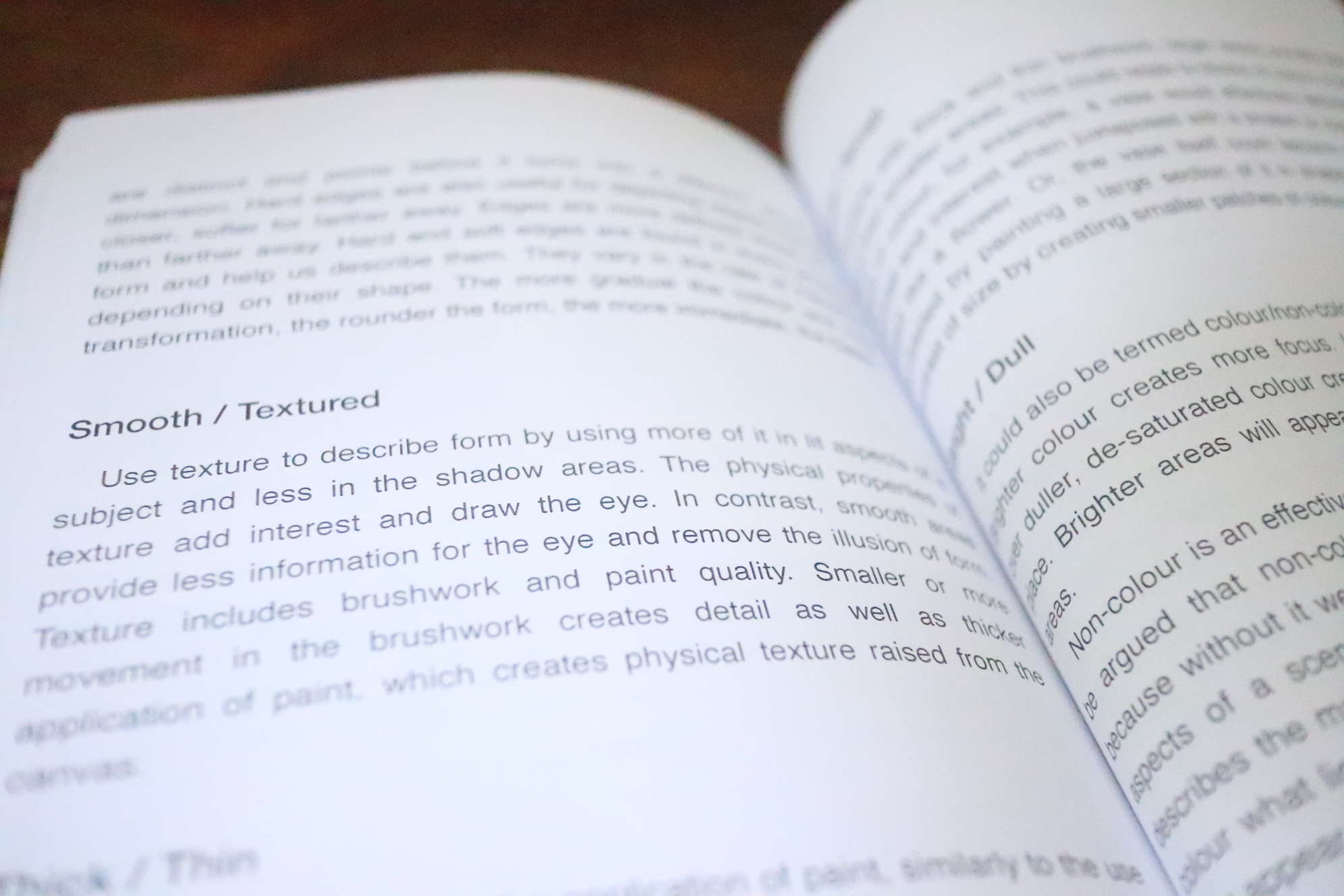
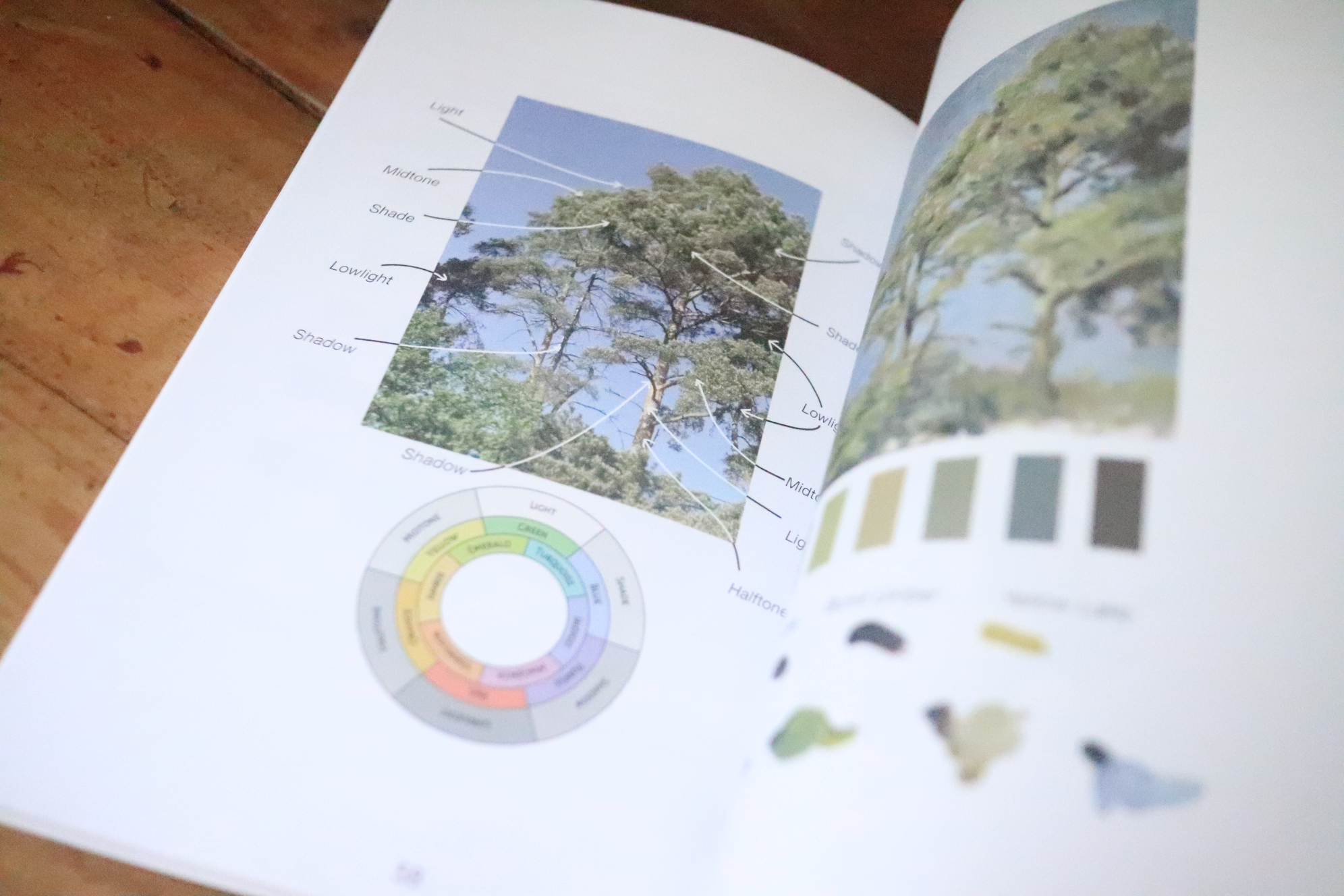
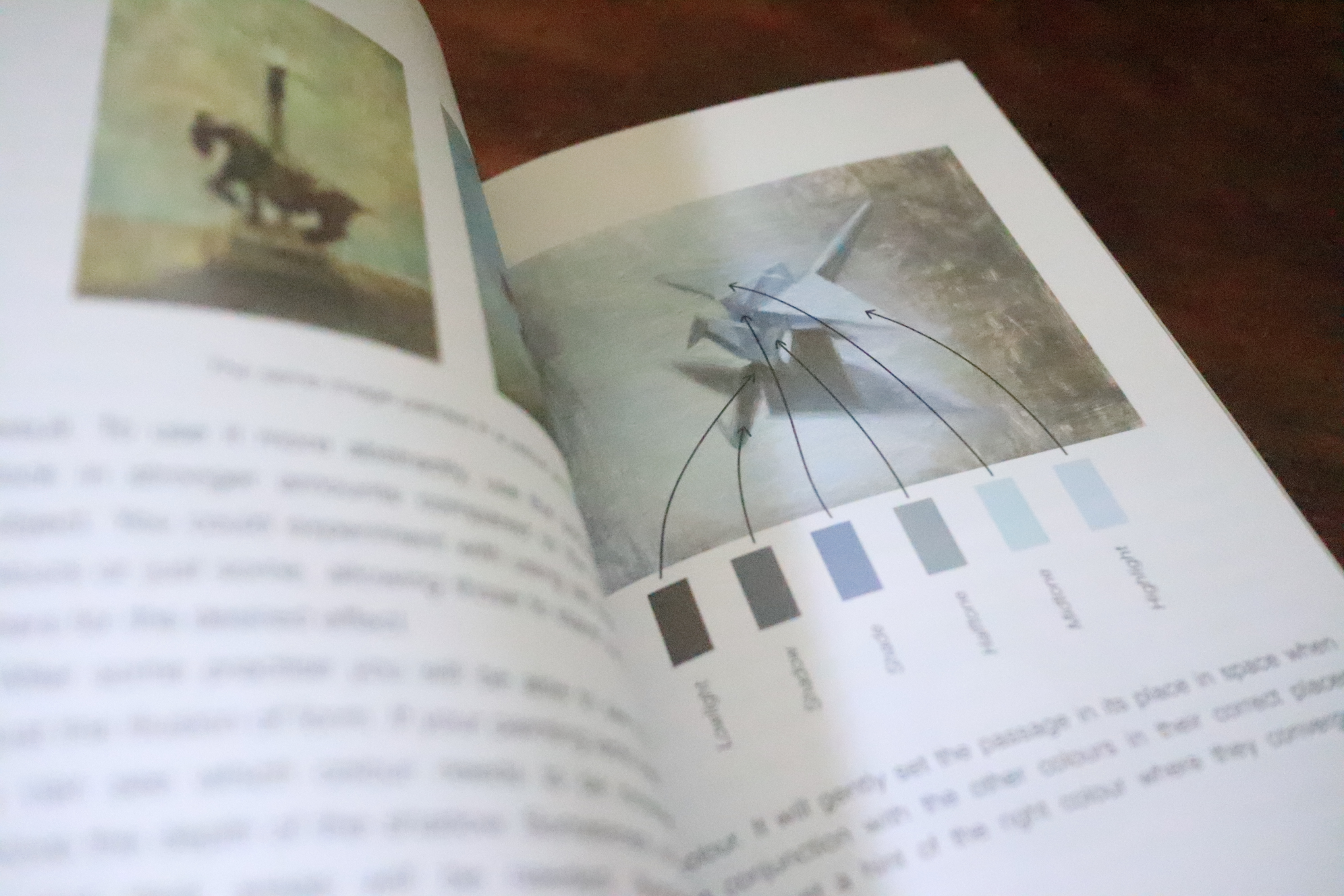
Suitable for the beginner and experienced artist alike, Vision of Art draws on epiphanies from the artist’s own painting journey to explore the fascinating world of colour, form, and light to offer a unique understanding of the vital elements that produce an effective piece of artwork. With over 40 diagrams and paintings, it provides an accessible and thought-provoking exploration into the connection between our biology and our environment to uncover exactly what makes a painting work and why, and how to recreate what we see on canvas.

Purchase a copy of Vision of Art with The Colour Clock
Or find the print and ebook version at Amazon
Listen to an excerpt:
Book Review by Professor Stephen Felmingham
A Journey Back to the Heart of Art: A Review of "Vision of Art” by E. K. Hulett
"Vision of Art" emerges not merely as another instructional manual on technique, but as a heartfelt and deeply personal meditation on the very essence of the creative act. It is a book born from experience, from an artist's own journey through the inevitable landscapes of frustration, failure, and rediscovery. From its opening pages, the author establishes a powerful and inclusive premise: that art is not the exclusive domain of the gifted few, but an intrinsic part of our shared humanity, a "birthright of a human being and a vital and essential part of our existence." By bravely sharing their personal struggles, the author creates an immediate bond of trust and common experience with the reader, making it clear that this book is for anyone who has ever felt disillusioned with their own work and yearned to reconnect with the initial spark that drew them to art in the first place.
The book’s most profound strength lies in its relentless focus on the "why" rather than just the "how." It skillfully shifts the reader's perspective away from the mere acquisition of skills towards a more introspective and meaningful inquiry into their own motivations for creating. It poses the question that every artist confronts at some point: why do you make art? This approach is a refreshing antidote to the often-jaded nature of long-term practice. The author champions the idea of renewal through play, framing the artistic process not as a struggle for perfection, but as a joyful, inquisitive exploration. This sense of playfulness is presented as an essential ingredient, a way to dismantle creative blocks and rediscover the simple pleasure of making. The narrative powerfully argues that true art is not simply rendered on the canvas but is first conceived in the mind and, perhaps more accurately, felt in the heart. It delves into the idea that the memories and emotions that drive creation are not just intellectual constructs but are held viscerally within the body, suggesting that the most resonant art comes from a place of deep, personal feeling.
While grounded in this philosophical approach, the book does not shy away from the practical science of perception. It provides a clear and accessible exploration of how we see, breaking down complex ideas like foveal and peripheral vision. The author makes the fascinating point that our sharp, focused foveal vision only accounts for a tiny fraction of our sight, and that the broader, less-detailed peripheral vision is crucial for grasping the overall composition and harmony of a piece. There is perhaps the opportunity for a practical tip to be embedded here: to truly see your work, sometimes you must look away, using the corner of your eye to perceive its fundamental balance without getting lost in the details. The book also explores the brain's innate desire to organize information and find meaning, using this to critique hyperrealism. The argument is that when a work is rendered with photographic precision, there is "nothing left for the brain to organize," stripping away the playful delight the mind takes in interpreting cues and constructing a three-dimensional reality from a two-dimensional surface. It is in this interpretive space, the book suggests, that the magic of painting truly lies.
This blend of the philosophical and the practical is most evident in the extensive sections on color. The author provides a solid foundation in color theory, explaining the essentials of RGB and CMYK systems and the physics of how we perceive color as reflected light. However, the true innovation of the book is the introduction of the "Colour Clock," a novel concept that serves as its central thesis. This system is presented as a practical tool to help artists move beyond mere observation and make deliberate, harmonious color choices based on a desired tonality for light, mid-tones, and shadows. The examples provided demonstrate how a painter can effectively "dial in" a color scheme—choosing blue for light, perhaps, or purple for shadow—to create a unified and emotionally resonant image. It is an ambitious and intriguing idea that offers a structured approach to what can often be an intuitive and chaotic process.
However, it is also in this central concept that some of the book's challenges lie. The extension of the Colour Clock into a "Music Clock," which draws parallels between color chords and musical notes, may prove confusing for those without a musical background. While the ambition to connect painting to music—a goal shared by modern masters like Kandinsky—is admirable, its practical application feels less accessible and potentially overly complicated. This section, while intellectually stimulating, might leave some readers feeling that it is more of a theoretical curiosity than a usable tool. Furthermore, several sections, particularly those discussing the effects of light on different surfaces—transparent, opaque, smooth, and textured—would have been significantly enhanced by the inclusion of more visual examples. While the text is descriptive, the absence of illustrative images feels like a missed opportunity to fully clarify these important concepts.
Despite these minor critiques, the book's overall message is one of profound encouragement. It is a guide for navigating the difficult moments of the creative process, offering concrete strategies for what to do when you "stand back and you don't like it." The author's voice is consistently supportive, urging the reader to embrace failure as a necessary part of growth, to "get it wrong, gain insight," and to have the courage to find and trust their own unique voice rather than mimicking styles that are commercially successful. There is a holistic wisdom woven throughout, emphasizing that an artist is a "finely tuned instrument" and must care for their physical and mental health, recognizing that much of the essential work of an artist is done "when not painting"—in the quiet moments of observation and reflection.
In its final thoughts, "Vision of Art" comes full circle, returning to its core belief that art is a deeply personal journey of connection—a connection to the world, to emotion, and ultimately, to oneself. It feels less like a textbook and more like a generous and honest conversation with a seasoned mentor who has navigated the very path the reader is on. It is a valuable resource for any artist who feels stuck, offering not a set of rigid rules, but a new perspective—a new way of seeing, thinking, and feeling that can reinvigorate a practice and lead, as the author hopes, to knowing ourselves better than we thought was possible.
Professor Stephen Felmingham
Pro-Vice-Chancellor (Academic)
Arts University Plymouth
25th October 2025